

The Gyre Carlin's Bour
An Old Tale Revisited

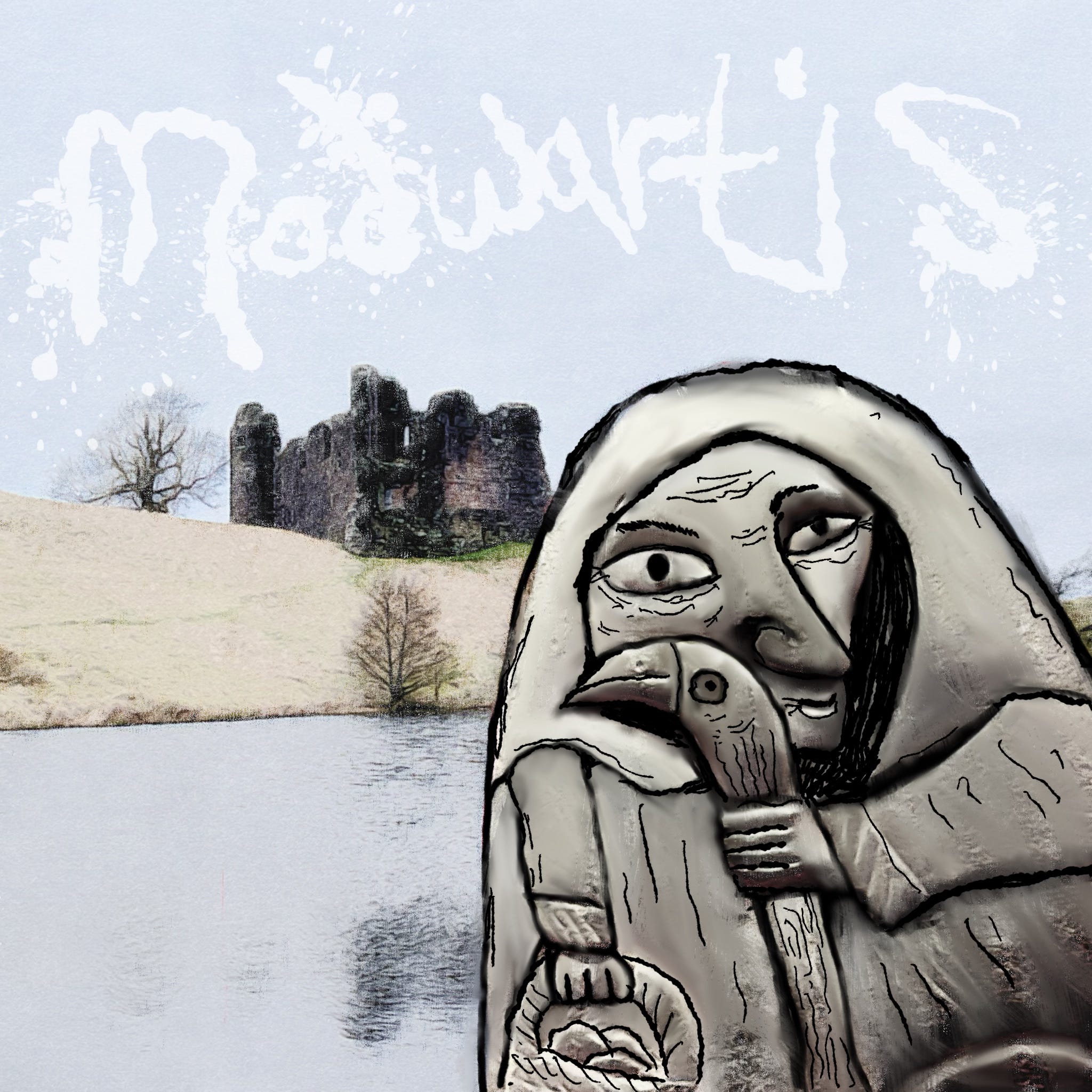
She strides across the land, a shadowy giant from whose cloudy skirts boulders tumble. The thunder of her laughter shudders the very mountains, and her sigh is the cold sweep of drizzle upon an expanse of open moor. She is a creatrix of old, whose name clings to hill and mountain like glacial remnants. Stubbornly her mythology persists, as though she was indentured within the land itself. For a long time she was almost forgotten, save in the stories told by the peasantry who once held commons upon the land.
Great Carlin, Gyre Carlin and Cailleach appear in much Scottish lore. She is a giantess who marks the land. She shapes and configures it. For it is hers’ to mould as she wishes. Hag or crone, perhaps – but she is a Goddess with many names and a multitude of guises. If her hag form personifies the winter, then as Brigit she is the spring.
In Irish lore there are a number of stories in which the old Hag appears to young princes and demands a kiss (sometimes much more). Those that accept her advances find that she changes into a beautiful maiden who confers upon them rights of kingship. She is the sovereign goddess: an aspect of she who claims responsibility for the land.
In her role as creatrix, her importance is indicated by the association of her name with many a topological feature: Carlin’s Hill, Carlin’s Loch, Carlingwalk, on and on her names cluster the land. While there are many tales about her, one of my favourites is contained within a three stanza poem called The Gyre Carlin. This piece comes from the pages of the Bannatyne manuscript: a collection of tales compiled by George Bannatyne for the young King James VI of Scotland in the late 1500’s. It’s a tricky text to read, being written in auld Scots, some of the words are obscure. I provide a full version of the original text here and then we’ll examine it more, as we are able.
In Tiberius tyme, the trew Imperiour,
Quhen Tinto hills fra skraiping of toun-henis was keipit,
Thair dwelt ane grit Gyre Carling in awld Betokis bour,
That levit upoun Christiane menis flesche and rewt heids unleipit ;
Thair wynit ane hir by, on the west syde, callit Blasour,
For luve of hir lauchane lippis, he walit and he weipit ;
He gadderit ane menzie of modwartis to warp doun the Tour ;
The Carling with ane yren club, quhen that Blasour sleipit,
Behind the heill scho halt him sic ane blaw,
Quhil Blasour bled ane quart
Of milk pottage inwart,
The Carling luche, and lut a fart, North Berwick Law.
The king of Fary than come with elfis mony ane,
And sett ane sege, and ane salt, with grit pensallis of pryd ;
And all the Doggis fra Dumbar was thair to Dumblane,
With all the tykis of Tervey, come to thame that tyd,
They gnew doune with thair gonnes mony grit stane:
The Carling schup her on ane sow, and is her gaitis gane,
Grunting our the Greik sie, and durst na langer byd,
For bruklyng of bargane, and breiking of browis :
The Carling now for dispyte,
Is mareit with Mahomyte,
And will the doggis interdyte,
For scho is Quene of Jowis.
Sensyne the Cockis of Crawmound crew nevir a day,
For dule of that devillisch dem wes with Mahoun mareit,
And the Henis of Hadingtoun sensyne wald not lay,
For this wyld wilroun witch thame widlit sa and wareit ;
And the same North Berwick Law, as I heir wyvis say,
This Carling, with a fals cast, wald away careit
For to luk on quha sa lykis, na langer scho tareit ;
All this langour for luve before tymes fell,
Lang or Betok was born,
Scho bred of ane accorne;
The laif of the story to morne,
To you I sall telle.
We can summarise the tale as the following:
In the time of Emperor Tiberius of Rome, in the lands around Tinto Hills there dwelt the Gyre Carlin in old Betokis tower. She feasted upon raw Christian flesh. There was a shepherd named Blasour who lived to the west of her place. He was obsessed by her, and he gathered together a clan of moles to bring down her tower. But the Carlin fought back and while he slept she dealt him a hard blow behind his heel. The Carlin laughed at that and let out a fart creating North Berwick Law.
Then the king of the Faeries came with many elfs. They set siege and assaulted her tower. All the dogs from Dunbar to Dunblane, with all their bitches from Tervey came and they gnawed the great stones of the castle. The Carlin mounted her great sow and fled through the gates, grunting over the Greek sea and dares no longer to abide in Betokis. Instead, she chose to marry Mohammed out of spite for she is Queen of the Jews.
Since then the cocks of Crammond never crow by day, for grief that she married Mohamed. The hens of Haddington would no longer lay eggs, for the sorceress had cursed them, and had gone from the land.
This is the gist of the tale, but I also provide a detailed breakdown below, in which elements of the tale are examined followed by a wee summary.
Breakdown
In the time of Tiberius (Emperor of Rome from AD 14-37, born 42 BC. This line is an allusion to another poem of the 14th c., the Siege of Jerusalem. In a way this sets the tone of the tale) the trew imperatour (the true Emperor), Quhen Tynto hills (when Tinto Hills - a cairn-capped hill in Lanarkshire also called “Tinto Tap”, with the name possibly deriving from the Scots Gaelic word teinnteach) fra skraiping of toun-henis was keipit (I think this means ‘far from where the hens of ferm-touns scraped’ - giving the impression of remoteness), Thair dwelt ane grit Gyre Carling in awld Betokis* bour ( There dwelled the Great Carling in Betokis bour – a bour referring to a inner apartment or chamber within a tower), That levit upoun christiane menis flesche (That ate Christian men’s flesh), and rew heids (Raw/uncooked heads) ; Thair wynit ane hir by, on the west syde, callit Blasour (This line caused me much consternation as I couldn’t find a translation for wynit - phonetically it could be whining, giving the impression that there was one who lived to the west, named Balsour who ‘whined for her’ – giving the impression of his infatuation) , For luve of hir lauchane lippis, he walit and he weipit (for the love of her laughing lips he wailed and wept); He gadderit ane menzie of modwartis to warp doun the tour (he gathered a clan of moles to bring down the tower): The Carling with ane yren club (The Carling with an iron club), quhen yat Blasour sleipit, (when by her gate Blasour slept) Behind the heil scho hatt him sic ane blaw, (She hit him such a blow behind his heel) Quhil Blasour bled ane quart off milk pottage inwart (While Blasour bled a quart, like Milk porridge inside - I think this is to suggest the wound swelling up) The Carling luche, and lut fart North berwik law (the Carling laughed and let out a fart, creating the Volcanic spur of North Berwick Law)
The king of fary than come, with elfis many ane, (The Faerie King came with many Elves) And sett ane sege and ane salt (and set seige and assaulted the tower), with grit pensallis of pryd (bearing pennons of pride) ; And all the doggis fra Dunbar, wes thair to Dumblane, (And all the dogs from Dunbar to Dunblane joined their ranks) With all the tykis of Tervey (with all the bitches from Tervey – a town in Perth), come to thame that tyd (they came to them that time - tyd means favourable season); Thay quelle doune with thair gonnes mony grit stane, (Obscure, but I think it refers to the army of dogs chewing up the great stones with their teeth – however it could also mean the Elves had cannons and they blew up the walls) The Carling schup hir on ane sow (The Carling gets up on her sow - witches often ride sows backwards) and is hir gaitis gane (Goes through her gates), Gruntying our the Greik sie (Grunting over the Greek Sea) and durst na langer byd (dares no longer bide), For bruklyng of bargane (for the breaking of weapons of war), and breiking of browis (breaking of brows) : The Carling now for dispyte (The Carling now out of spite) Is mareit with Mahomyte, (is now married to Mohammed) And will the doggis interdyte (And will ban the dogs?), For scho is quene of Jowis (For she is Queen of the Jews.)
Sensyne the cokkis of Crawmound crew nevir at day (since then the cocks of Crammond – in Lothian – never crow during the day), For dule of that devillisch deme wes with Mahoun mareit (for sorrow of that devillish lady was married to Mohammed - ie; we must remember that at the time this was written, Islamic and Jewish people were very much despised by Christians – hence pairing the Carling with such ‘devillish’ forces is meant to further increase her negative aspect in the minds of the medieval reader), And the henis of Hadingtoun sensyne wald not lay (The hens of Haddington - Lothian - would not lay their eggs), For this wild wibroun wich (for this sorceress) thame widlit sa and wareit (had cursed them) And the same north berwik law, as I heir wy vis say (And the same North Berwick Law, as I here already counsel), This Carling, with a fals cast, wald away careit (This line is a bit difficult, and slightly confusing, seems to refer to North Berwick being a false cast commanded and carried away by her): For to luck on quha sa lykis (either: to chance upon her, or look upon her body - lykis can also mean corpse), na langer scho tareit (no longer she hinders or tarries), All this langour for love before tymes fell (all this love sickness before time took place - perhaps meaning times long gone), Lang or Betok was born (Betok appears to be connected with Betokis tower, Lang might be another surname) Scho bred of ane accorne the laif of the story to morne, (Another strange line to interpret. Scho is she – in this case the Carling, bred can mean a plank of wood or an altar. It can also refer to bread, which makes more sense, as in: she made from an acorn of bread laif – which can mean loaves or leaves – with which to mourn. Mourn can refer to grieving or the beginning of day) To you I sail telle (to you I shall tell)
Conclusion
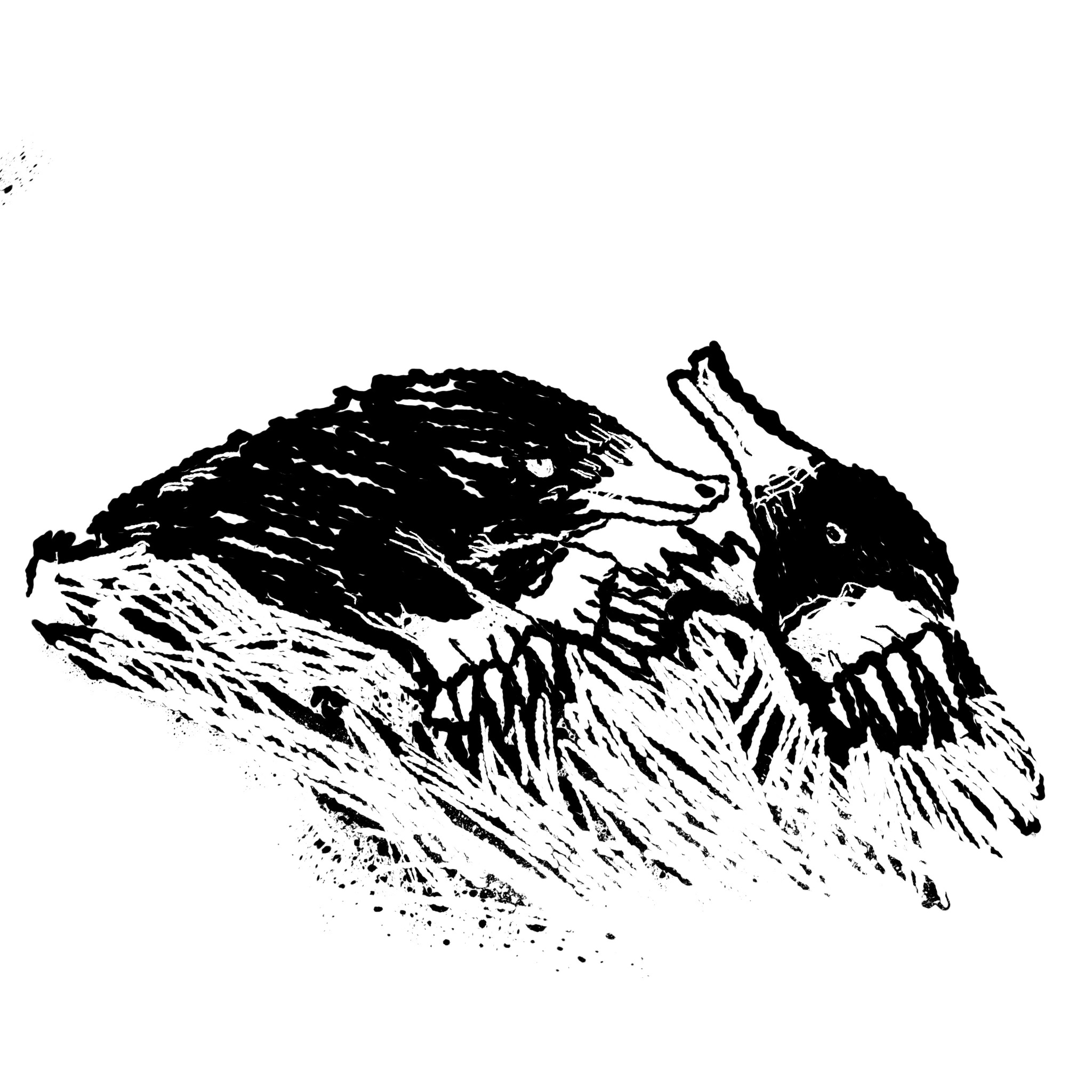
Ultimately this is a strange tale spiked with humour and oddness. It’s impossible to tell its age. Although it might be Bannantyne’s version of an existing poem, it’s not known if he copied it from older sources. The Carling conforms to her role in forming the land, with the humorous vision of her farting out North Berwick Law – a line that conjures up a comical image, and yet retains a distinct earthiness. The poem is sprinkled with humour: the elf king who gathers the dogs and their bitches from across the land to attack the tower, and the jilted lover who summons a clan of moles (modwartis has to be my favourite word in the poem) all add to the quirkiness of the tale.
Like all stories this one has a history. The tale was part of a collection which was read to the young King James IV in the late 1500s. I wonder if it somehow coloured his perception in later life? James is notorious for his hatred of witches. His book, Dæmonologie, was a manual for their destruction. Not that I believe the story was the sole cause of this hatred (other forces were at play), but we have to wonder if the imagery of the fierce Carling feasting upon the raw heads of Christians didn’t affect him.
Notes:
*Betokis, the place turns up in another poem, An Interlude on the Laying of Lord Fergus’s Gaist.
Listen lordis, I shall tell you
Off ane very grit mervell
Off lord Fergusses gaist
How mekle Sir Andro is chest
Unto Beittokis bour,
The silly sawle to succour.
References:
The Bannatyne Manuscript – George Bannatyne
A Day Estivall : essays on the music, poetry, and history of Scotland and England & poems previously unpublished in honour of Helena Mennie Shire – Janet H. Williams (Article: ‘David Lyndsays’ Antique and Plesand Stories)